

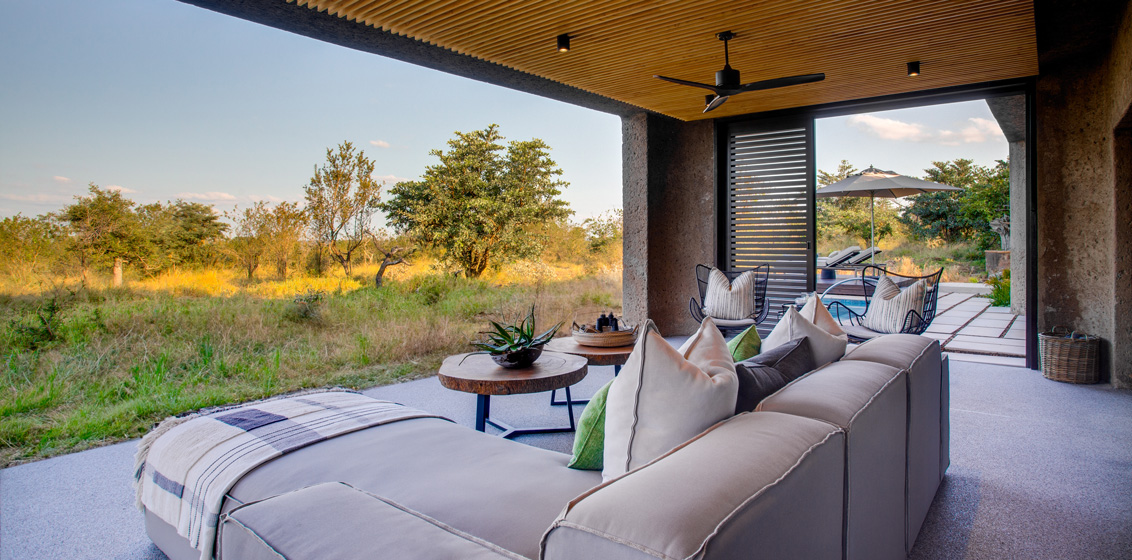
Greater understanding is required around tourism’s role in driving lasting community development and real conservation impact in South Africa, according to Sabi Sabi Collection Marketing Director Jacques Smit.
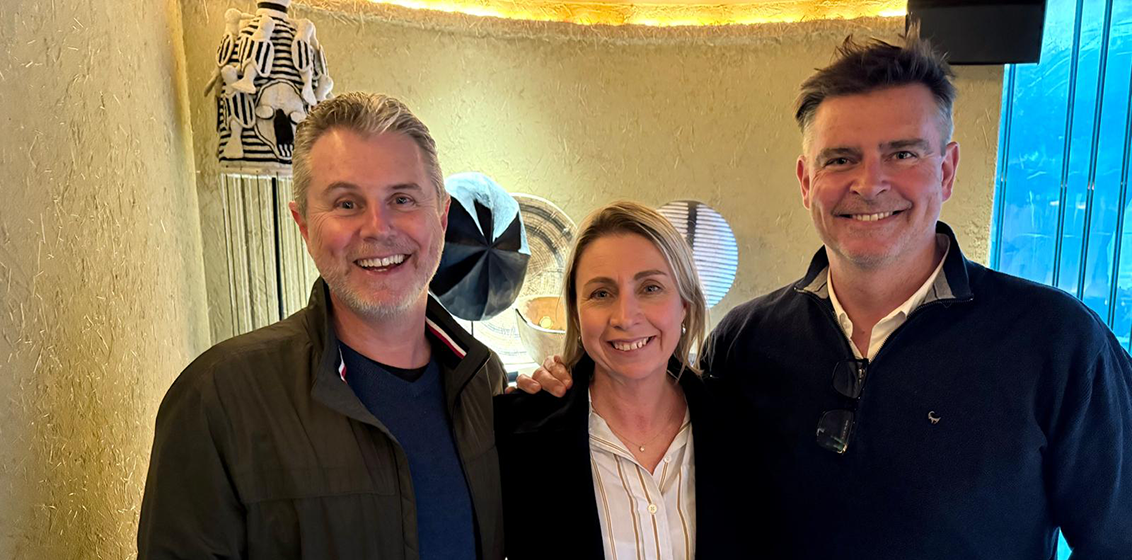
Speaking during a recent media event in Sydney, Smit stressed that tourism is more than just a leisure activity. He described it as “not just a revenue stream but a lifeline” for the people and ecosystems surrounding the Sabi Sabi Game Reserve.
The statement comes at a time when travellers are increasingly seeking more meaningful and ethical travel experiences, particularly in the wake of the pandemic. The reserve, which managed to continue operations and fund community initiatives during global lockdowns, is now using its platform to advocate for deeper, more sustainable forms of giving back.
“None of what we do in the community is possible without tourism,” Smit said. “Conservation without funding is only conversation.”
Sabi Sabi’s long-term commitment to its surrounding communities was particularly evident during the pandemic, when it resisted retrenchments and continued to support staff and local projects. “We guaranteed everybody’s jobs,” Smit said, noting that this stability has since inspired a new generation to view tourism not just as a job, but as a career path.
The reserve runs several year-long academies designed to train local youth in hospitality, wildlife guiding, and culinary skills. But beyond skills development, the reserve’s approach is grounded in community-led decision-making.
“Rather than us deciding what is needed, we’d like to go to the community and find out. That makes a difference for them,” Smit said, citing an example where the local school had no chairs, prompting the reserve to supply them based on feedback from teachers.
While there’s been an uptick in guests asking to volunteer or donate in person, a broader, more long-term approach is often required. “People say, ‘Can I paint a classroom?’” Smit pointed out. “It’s already been painted ten times. What we actually need is funding that allows projects to be sustainable.”
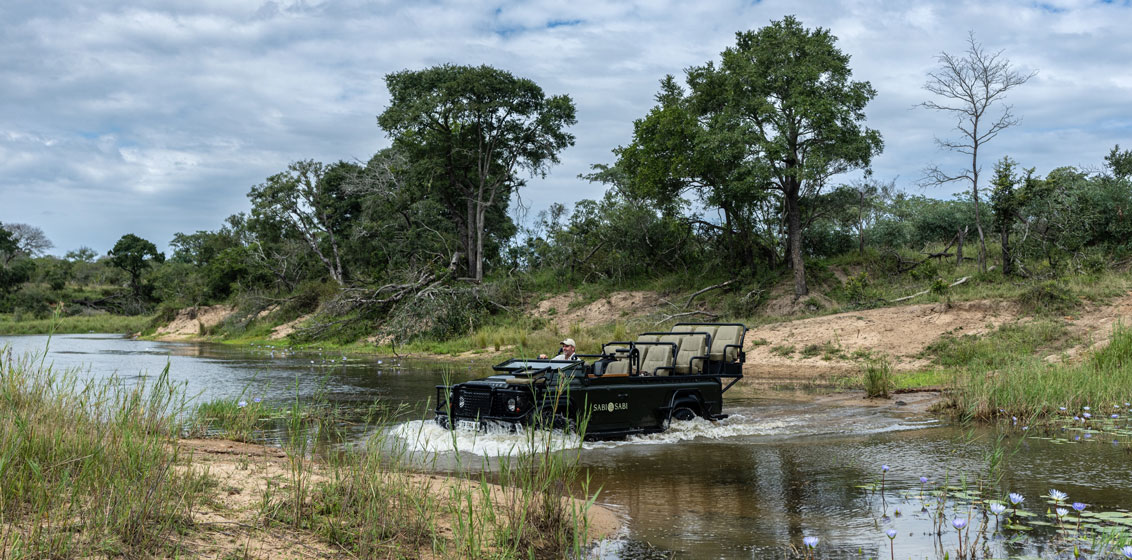
Sabi Sabi Collection encourages travellers to support through presence – by visiting lodges that reinvest tourism income directly into their surrounding communities. “By travelling to these places, you actually are making a huge difference,” he said.
Each of its properties will channel funding into the Sabi Sabi Foundation, whose efforts cover a wide range of essential services, from clean water access to healthcare support and female hygiene initiatives. The goal, according to Smit, is not charity but empowerment, driven by consistent, tourism-fuelled income.
As the reserve prepares to expand its footprint with new properties in Cape Town and northern South Africa, Smit’s message remains consistent: responsible tourism can fund real change.