

A new economic study has revealed the positive impact of Hurtigruten’s Norwegian coastal voyages, demonstrating how responsible cruise tourism can be a powerful force for local economic growth when sustainability and local value creation are prioritised.
The “Ripple Report,” conducted by Menon Economics, found that Hurtigruten and its guests contribute NOK 2.6 billion (approximately $398 million) annually through the purchase of goods and services along Norway’s coast. In 2024, nearly 200,000 guests travelled with the cruise line, generating 684,000 guest nights and supporting over 4,000 jobs nationwide.
“Tourism should be more than sightseeing. It must create value, jobs, and a positive impact on the communities it touches,” said Hurtigruten CEO Hedda Felin. “Our carefully managed approach shows how travel, and especially the cruise industry, can truly support local communities instead of straining or overwhelming them.”
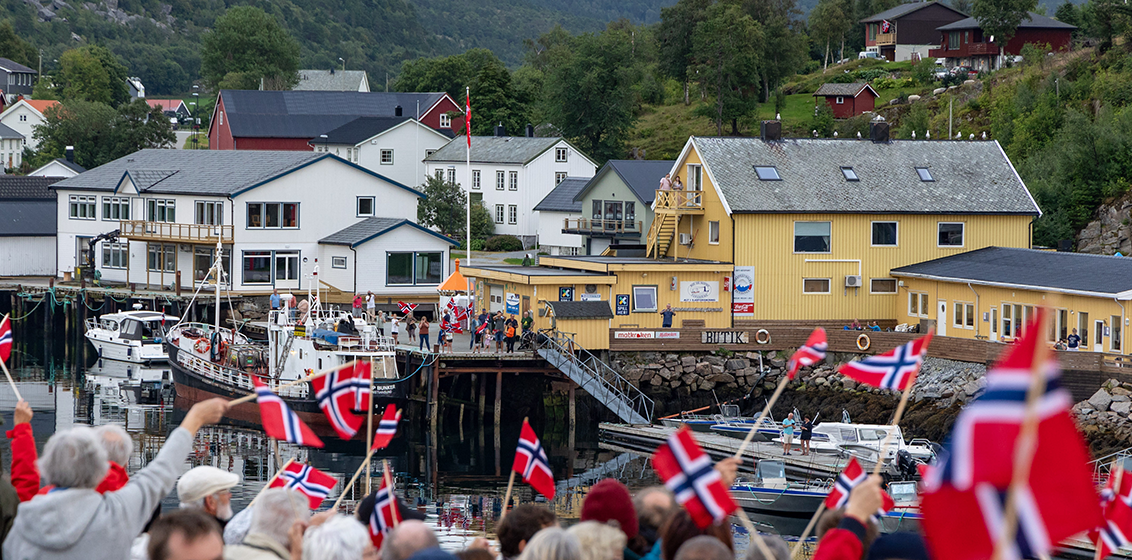
Unlike large cruise ships that concentrate visitors in a few major ports, Hurtigruten’s smaller vessels, carrying around 500 passengers each, visit 34 ports along the Norwegian coast – many in communities with just a few hundred residents. This dispersal ensures tourism revenue is spread more evenly and reaches small businesses directly.

One such example is the village of Kjøllefjord, home to just 1,000 people, where local entrepreneur Jan Olav Evensen, has built a thriving adventure tourism business Arctic Coast in collaboration with Hurtigruten.
“Hurtigruten is the backbone of our operations,” said Evensen. “This partnership has created year-round jobs in local tourism. That’s incredibly important in a fishing village with so few residents.”
The report also highlights 208,000 excursions sold in Northern Norway in 2024, delivered in collaboration with 65 local operators, and over three million meals served onboard using products from 70 regional food and drink suppliers.
Earlier this year, Hurtigruten announced the expansion of its ‘Open Village’ program, which offers guests immersive experiences in remote communities like Træna, Bessaker, and Sæbø. As part of the initiative, the company contributes NOK 250 (around $38) per guest to each host village – a move designed to directly benefit local economies and preserve cultural heritage.
“The example we’re setting here in Norway can inspire change across our entire industry,” Felin added.