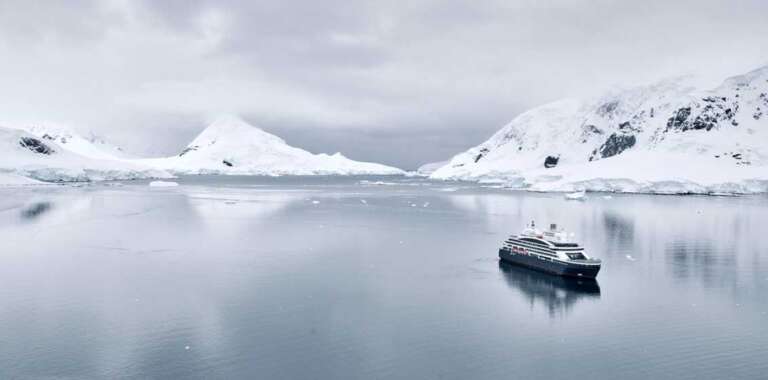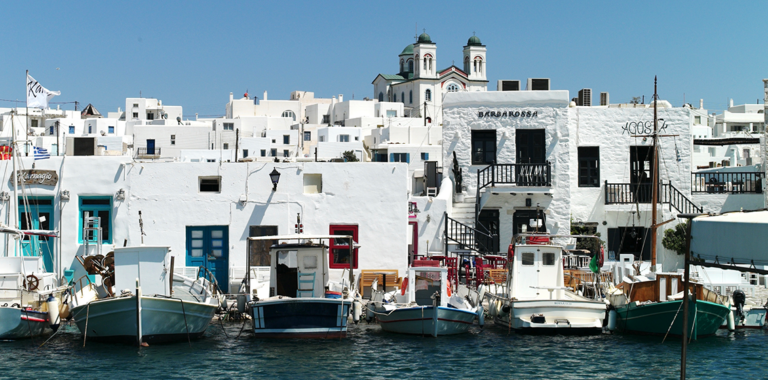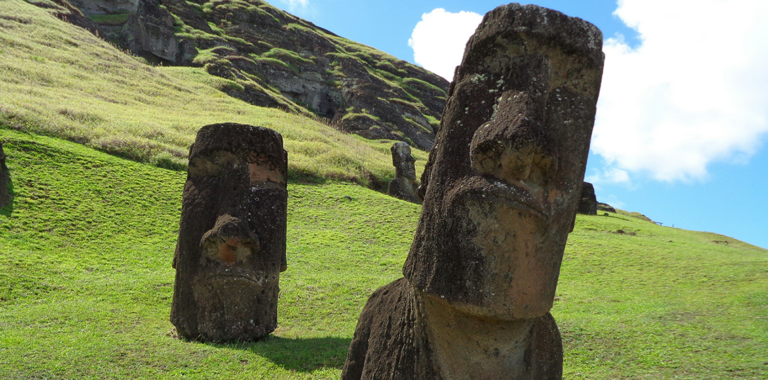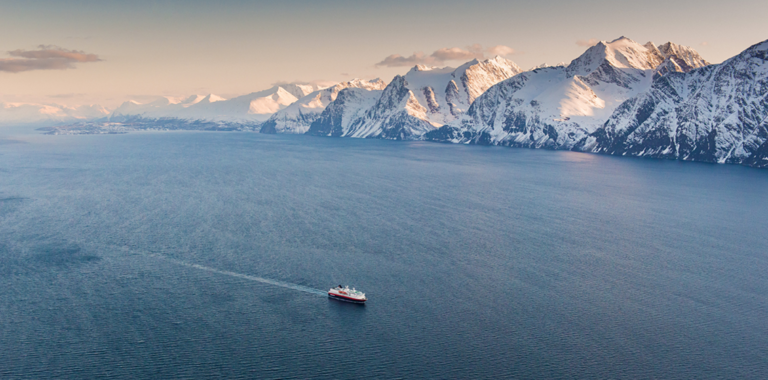



Ponant Explorations Group has published its second Ponant Science program report. Launched in 2021, this program welcomes scientific researchers on board to provide them access to remote ecosystems and allowing them to collect data and contribute to international research efforts. Over the past five years, 230 researchers have participated, and 10 scientific publications have been published as a result.
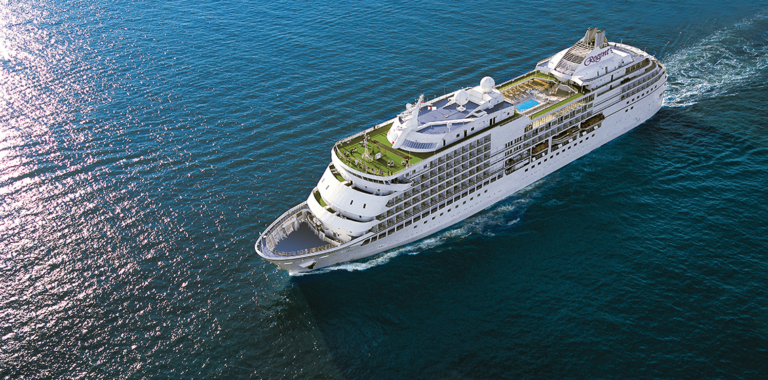
Originally centered on Le Commandant Charcot, which has two laboratories and a wide range of onboard equipment, the missions are now also conducted on the m/s Paul Gauguin, Le Bellot, L’Austral and Le Soléal. Mobile scientific equipment kits have been specifically developed for these vessels to collect, store and analyze samples on board. At the same time, safety protocols and crew training have been strengthened.

“With four additional ships hosting scientific missions, we have increased the number of research projects and broadened our geographical reach; 2024 marked a real turning point,” explained Dr. Megan Clampitt, Ponant Explorations Group Head of Science. “We establish long-term partnerships that allow teams to return to the same regions over several years and track environmental changes over time.”
Ponant Science supports several multidisciplinary research projects in three main areas: ecology and climate change; biodiversity and conservation; anthropogenic impacts and micro-pollution. The program has rigorous criteria for selecting projects, organising missions and sharing knowledge.

Here are a few examples of the projects:
- The Transarctic: A complete scientific crossing of the Arctic Ocean from west to east was aimed at documenting changes in ice, air, water and pollution in the rapidly evolving Arctic system. For 20 days, 20 scientists from seven countries and 11 institutions undertook a one-of-a-kind mission in one of the most extreme and inaccessible environments on the planet.
- Seagrass in Polynesia: The first large-scale study of seagrass beds in remote Polynesian sites aimed to investigate the tropical habitats of seagrass beds, essential but little-studied ecosystems that have the capacity to capture and store atmospheric CO₂.
- Carbon cycle in the Arctic: This mission aimed to monitor CO₂ fluxes between the atmosphere and the ocean and to study carbon storage in deep waters. Its aim is to gain a better understanding of the role of the Arctic in the carbon cycle, a fundamental factor in regulating the global climate, to refine climate models and anticipate the long-term impacts of global warming.
- Arctic Air: A mission to better understand how micro-organisms in the atmosphere influence Arctic climate regulation. Certain species play a crucial role in regulating greenhouse gases, cloud formation and the amount of solar radiation reflected or absorbed by the Earth’s surface.
- Seabird Genomics in the Antarctic and Subantarctic: The aim was to collect biological samples of seabirds, invertebrates, plants, and soils to better understand how life adapts in extreme polar conditions and responds to climate change.
The expansion of the program will provide access to new, less accessible territories such as the Society Islands in Polynesia and the Kimberley region in Australia.