

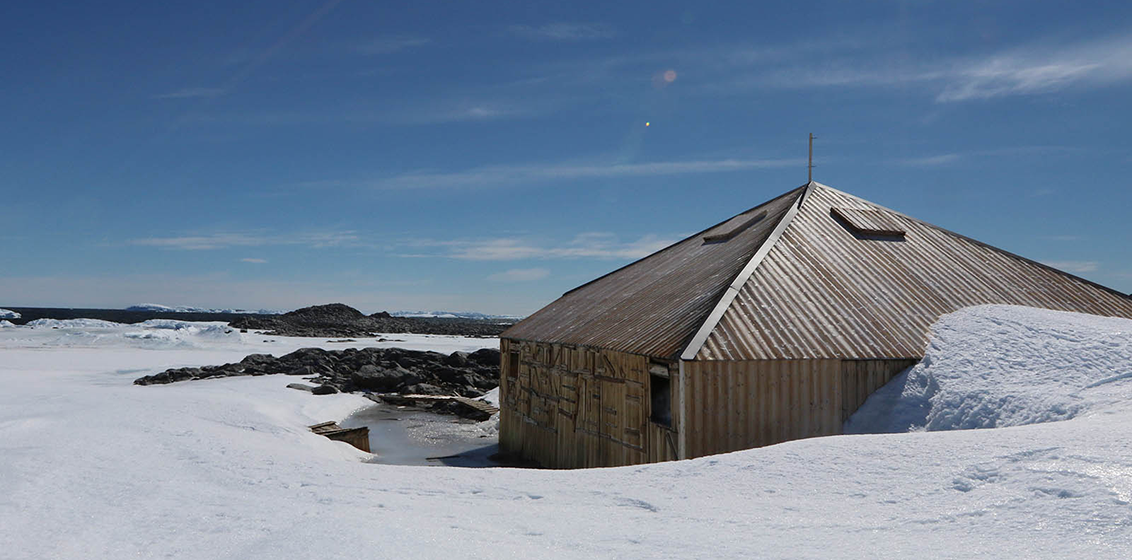
Expedition cruising is playing a pivotal role in safeguarding one of Antarctica’s most fragile and historically significant sites: Mawson’s Huts at Cape Denison.
According to Greg Holland, Chair of the Mawson’s Huts Foundation, tourism partnerships have become essential in the long-term fight to preserve the century-old structures that anchor Australia’s Antarctic identity.
In a talk during the Douglas Mawson shakedown cruise from Sydney to Hobart, Holland explained that without the Foundation’s decades of work – and the support of tourism operators such as Aurora Expeditions – “the huts would have blown into the Southern Ocean in the 50s, 60s and 70s.”
Today, those same partnerships are driving both conservation funding and public engagement, giving Australians a rare connection to their earliest Antarctic history.
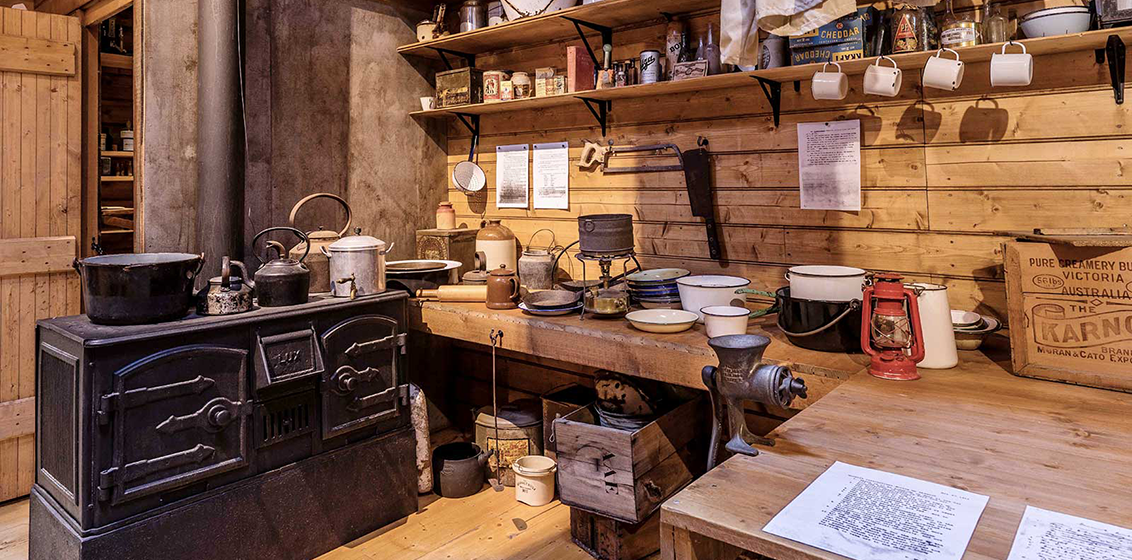
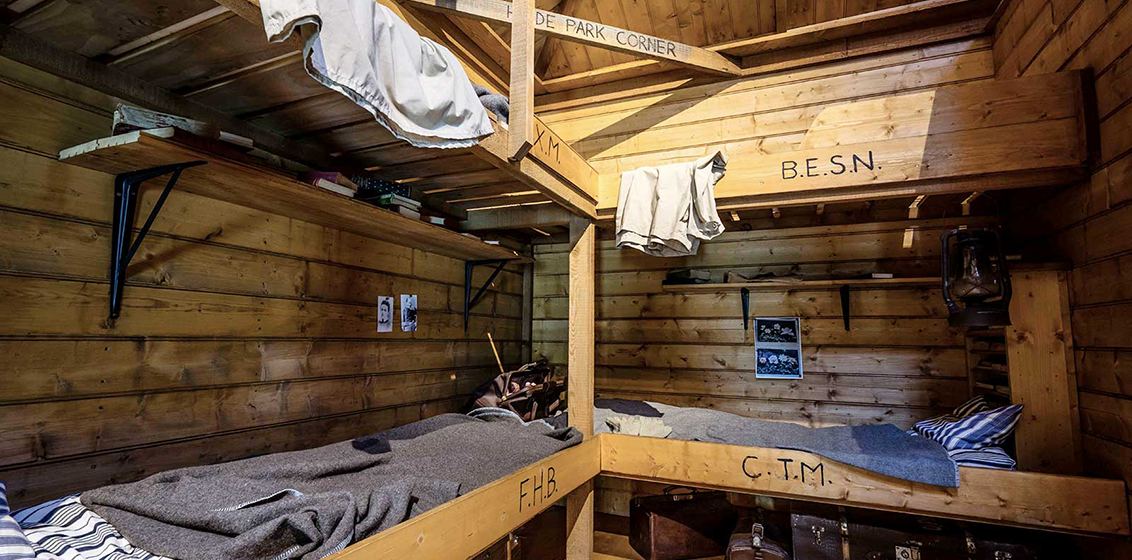
More people have stood atop Everest than visited Cape Denison, Holland noted, which makes tourism-driven education vital. “Because most Australians will never get to Cape Denison, we built a full-scale replica of the huts on Hobart’s waterfront,” he said. The replica, constructed using Baltic pine from the very same supplier Mawson used in 1911, allows visitors to step inside an authentic reconstruction of the expedition’s living quarters while volunteers share stories of hardship, science and survival.
Tourism operators also help fund the Foundation’s travelling Antarctic classroom, which brings tactile, interactive science and history programs to students across Tasmania and New South Wales. Holland believes this may be the organisation’s most enduring legacy. “For many kids, it’s their first introduction to Antarctic science and history,” he said.
Direct visitor interest is also growing through the Australian Antarctic Festival, a biennial tourism drawcard hosted in Hobart. “It brings ships, scientists, researchers, artists, school groups and the community all together,” Holland said, “to show Australians and the rest of the world that the Antarctic story actually belongs to them.”
But tourism’s value is not only educational—it’s financial. Long-term preservation demands constant funding for structural repairs, climate damage mitigation, and on-site conservation. Holland was candid: “We rely on donors. We rely on corporate sponsors. A number of the other cruise expedition companies… occasionally lend their support.” Aurora Expeditions, he added, has recently signed an agreement to support both the education and conservation programs.
As climate change accelerates moisture damage and katabatic winds rip at century-old timbers, tourism-driven funding and awareness may be the key to keeping Mawson’s legacy intact. “Conservation is something we don’t finish,” Holland said. “It’s something that we maintain.”