

A sweeping set of sustainability initiatives from Aurora Expeditions could set a new benchmark for the expedition cruise industry, with a breakthrough biofuel trial achieving a 90% reduction in fuel-related emissions.
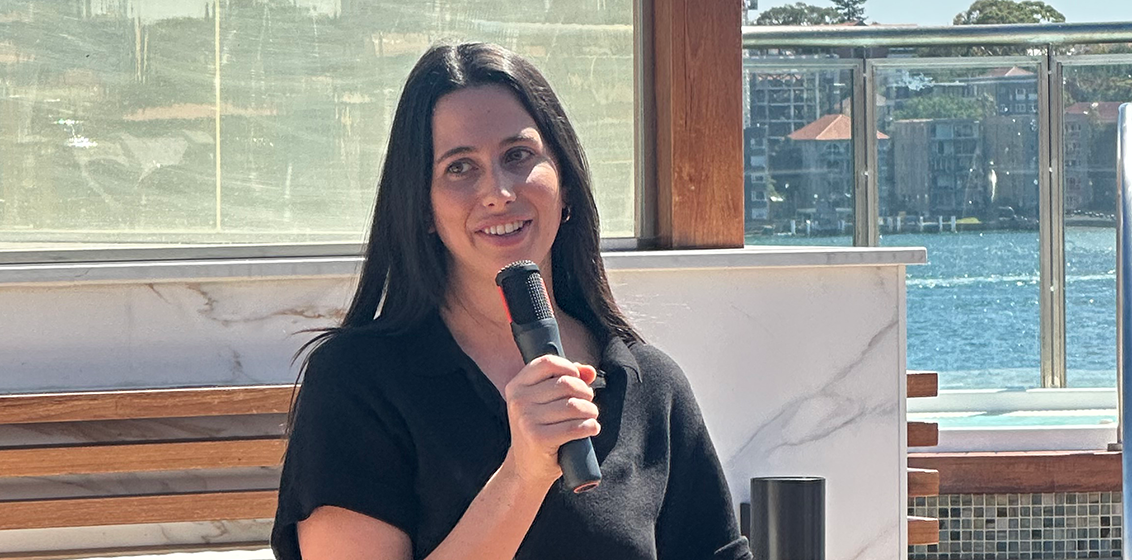
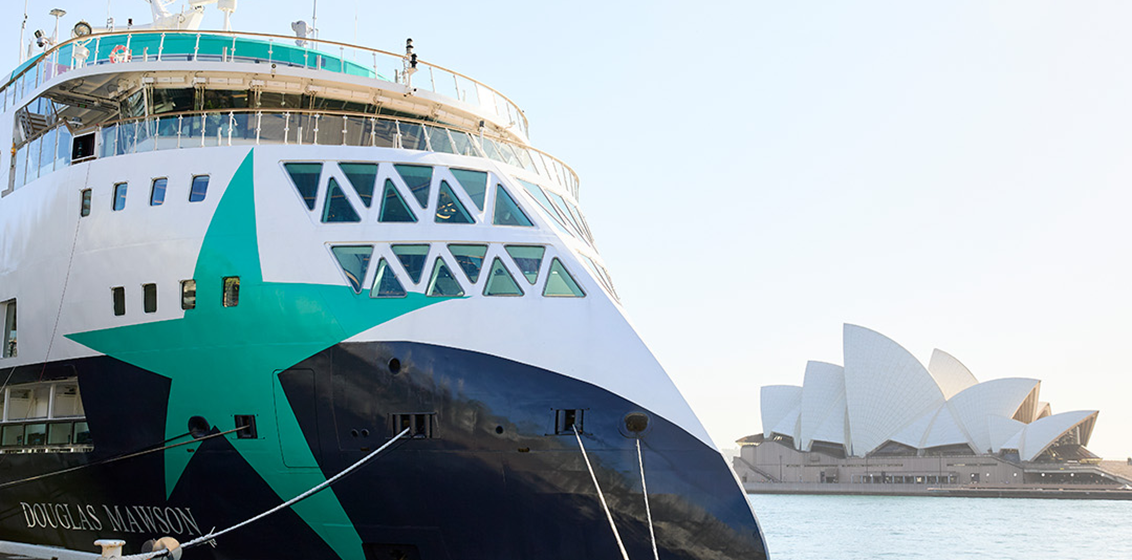
Sustainability Manager Sasha Buch shared the results during a sustainability presentation aboard the Douglas Mawson shakedown cruise from Sydney to Hobart at the weekend. Part of a vision that extends far beyond harm reduction toward full-scale ecosystem regeneration, the trial is one of a number of initiatives underway, alongside a scheme to eliminate microplastic pollution and a new AI-powered fuel efficiency program.
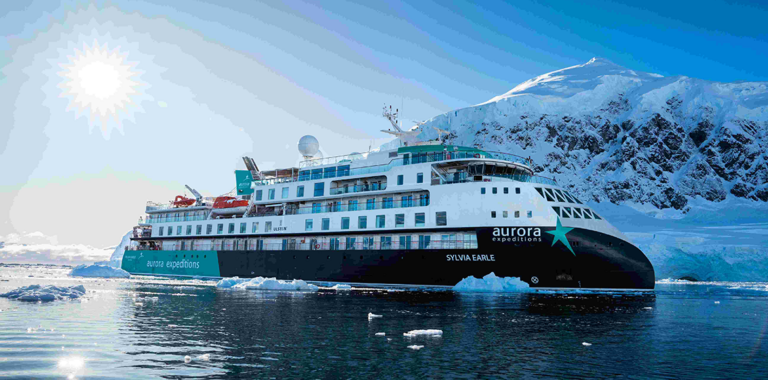
Buch explained that, earlier this year, the Sylvia Earle became the testbed for what may be one of the sector’s most promising decarbonisation trials to date: the use of hydrotreated vegetable oil (HVO), a renewable fuel made from recycled cooking oils. “We achieved a 90% reduction in fuel related emissions, which is a really positive step forward, and we hope to trial it again next year,” she said. While HVO availability remains limited, Aurora hopes its early trials will accelerate market readiness and wider adoption across the industry.
But emissions are only part of Aurora’s focus. Microplastics – particularly from clothing – pose a growing threat to marine environments, even in the world’s most remote regions. “Around 35% of microplastics come from textiles,” Buch explained. “They’re ending up in Antarctica, the Arctic, in snow and ice.”
To tackle this, Aurora is trialling industrial-grade filtration systems developed by UK partner Cleaner Seas. These filters capture up to 99% of microfibres from onboard laundry, stopping them from entering fragile marine ecosystems.
“This is a really exciting initiative that we’re trialling on this vessel this season,” Buch said. “The plan is next year to roll it out across the entire fleet, and then we’ll be confident to know that us as a company are polluting absolutely zero microplastics into the ocean.”
Another cornerstone of Aurora’s sustainability push is its commitment to regenerate the habitats it visits. For every guest onboard, the company funds the planting of one unit of marine life – seagrass, kelp, or coral – and the removal of one kilogram of waste. Projects currently operate in Canada, Portugal, Indonesia, Costa Rica and Spain, while waste interception efforts in the Coral Triangle aim to stop plastics before they reach the ocean. “They’re all destinations that we visit, and they’re all really important for us to support as we enter these waters,” Buch said.
The company is also rethinking the environmental footprint of its dining experience. In a move that distinguishes Aurora from many operators, it has removed certain species entirely from its menus. Ensuring the sustainability of the seafood it serves is a priority, Buch said, with the company visiting farms to better understand its food sources. “We also ensure that we don’t serve any top predators on board, tuna, swordfish, halibut… On board this Antarctic season onwards, we also are going to stop serving salmon,” Buch said, citing the environmental impacts of salmon farming.
Even the expedition gear provided to guests is evolving. Aurora’s new eco-expedition parka, created with XTM, uses recycled PET and is free from PFAS, the persistent “forever chemicals” now turning up everywhere from seawater to wildlife. “We’re really proud to have a parka that is forever chemical free,” Buch noted. The move forms part of a broader shift toward sustainable packaging and a retail selection aligned with longevity and environmental responsibility.
A key pillar underpinning these efforts is transparency and education, with Buch highlighting the importance of bringing passengers along on the sustainability journey. “We really want to be sharing this with all of our passengers, because this is definitely something that will be the most impactful if we can inspire other companies, other people, to take action.”
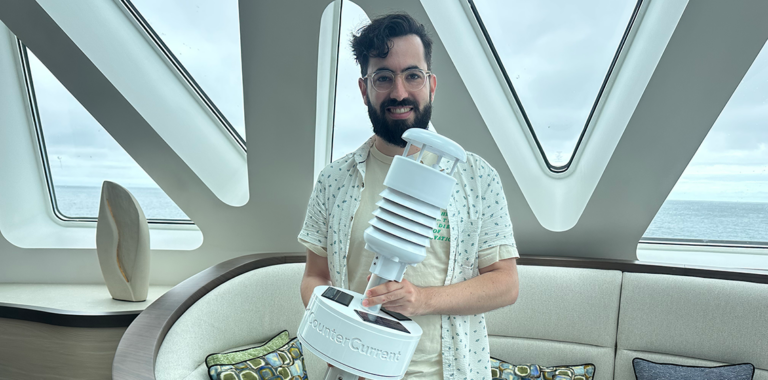
Aurora also shared details of its trial with Australian start-up Countercurrent which is now underway aboard the Douglas Mawson. The AI-powered navigation system aims “to be Google Maps of the sea.” The technology could help vessels cut fuel use by optimising routes according to real-time ocean currents.