

Having built its reputation in icy waters and remote frontiers, Aurora Expeditions‘ foray into warmer waters with its small ship program represents a strategic expansion aimed at diversifying Aurora’s portfolio and retaining the brand’s most engaged travellers.
The move represents one of Aurora’s biggest program evolutions to date, according to Head of Sales APAC Steve McLaughlin, bringing to market an entirely different concept from its traditional offering – but one that is delivered with the same spirit.
“It is not expedition cruising. It is small ship cruising,” he told LATTE. “What we saw was an opportunity to move out of our comfort zone… and really it was a matter of maintaining and keeping our loyal customers for a longer time.”
After decades introducing Australians to the polar regions, Scotland, Borneo and other wild frontiers, Aurora realised many past guests were running out of remote corners to explore. Concerned that the brand risked “ageing out” its own customer base, it decided to launch the range of culturally immersive Mediterranean journeys that stay true to Aurora’s signature depth of learning, but without the wet landings, ice fields or physical demands of traditional expeditions.
“The shelf life of our customers suddenly extended by another decade,” McLaughlin said. “Suddenly, they were saying, ‘We love Aurora. We’ve been to the Arctic… we’ve done it. It was great. It’s amazing. What do we want to do now? Aha!’.”
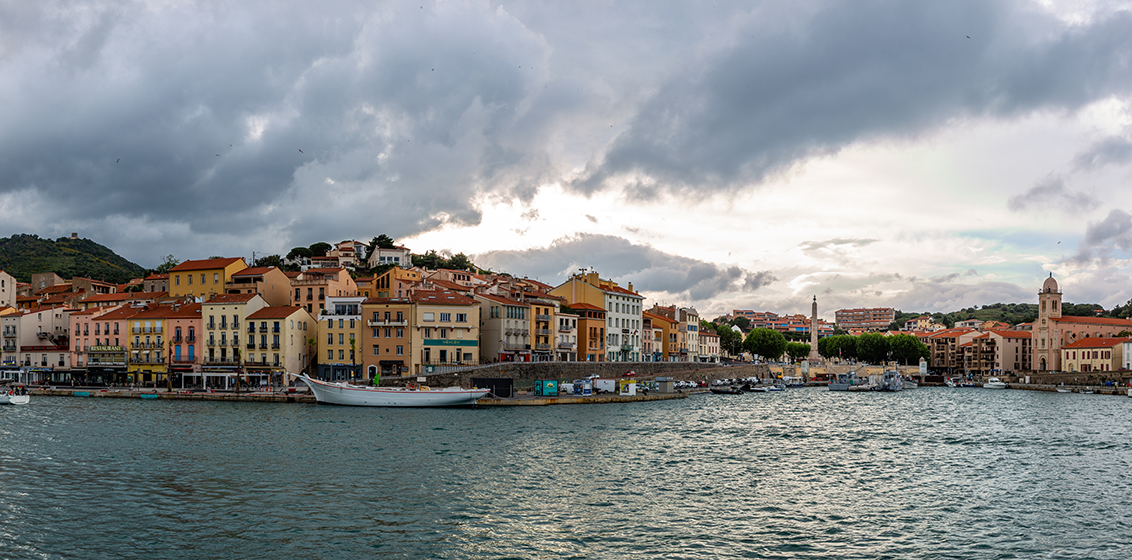
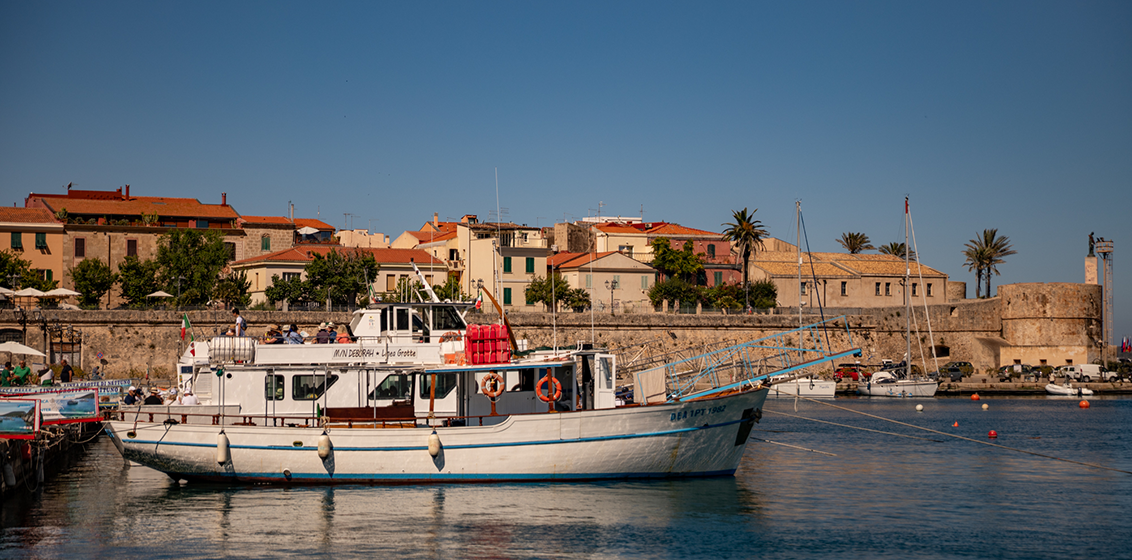
The initial response has been strong with all five voyages in the inaugural season this year selling out well ahead of departure, with itineraries exploring the Mediterranean aboard Sylvia Earle.
And while the Med may be one of the world’s most travelled regions, McLaughlin argued that Aurora’s small-ship approach shows its guests a side of the region that most visitors never see.
“Maybe for more sedentary people that might be fed up climbing up hills and doing all the walks and kayaking… we now have this wonderful immersion therapy again, with historians and artisans,” he explained. “Our small ship cruising selection takes you to places that people have never been, and very often have never heard of.”
Instead of penguins and glaciers, guests can expect “real cultural immersion, history, art, wine, astronomy — the whole thing.” Each day offers three or four options, with activities guided by people deeply rooted in the region.
“Local specialists — the people that live there – they’re the kind of people you’re going to have on board.”
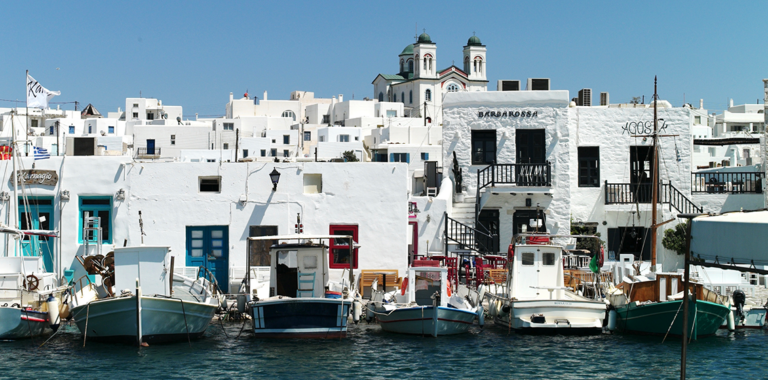
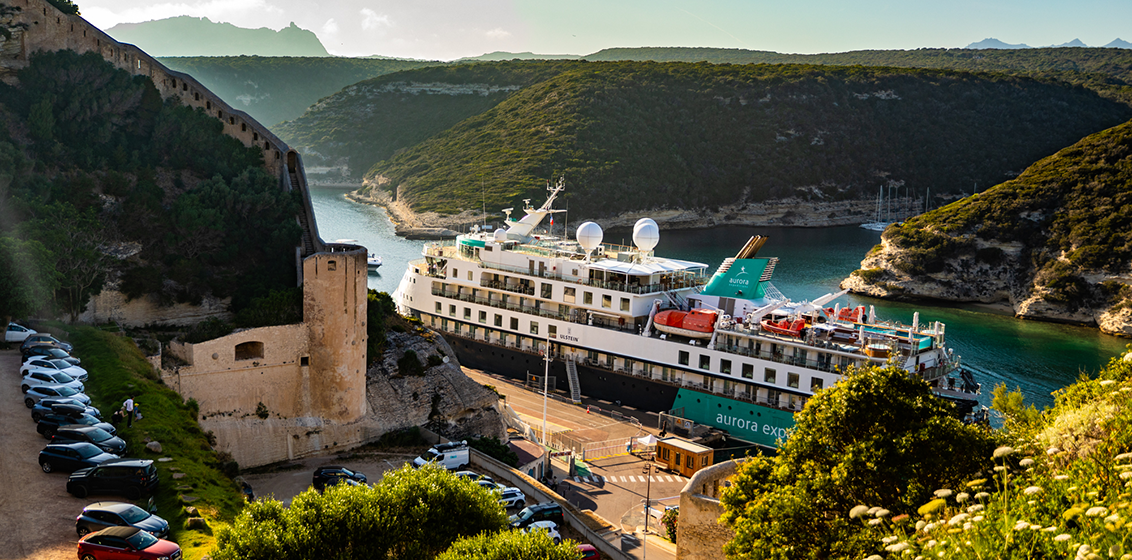
The program leans heavily on Aurora’s vessel size, which allows access to tiny harbours off-limits to larger cruise ships. McLaughlin highlighted one such visit to Bonifacio in Corsica. “The ships’ tenders from the big ships can’t even go in here — no way could they possibly handle big numbers,” he pointed out.
Despite a technical capacity of around 150 guests, the Mediterranean voyages won’t sail anywhere near that, he continued, stressing the voyages’ intimate size. “It will never be 150 people… a far more realistic number is probably 120 maybe, or 100.”
This means that the hallmark Aurora expedition ethos — spontaneity, expertise, and community — remains intact.
Many existing expedition team members will take on “double duty”, working in the Med as well as the polar regions. According to Aurora, it ensures continuity of storytelling and connection.
Getting the word out there about what is on offer as part of Aurora’s growing program is therefore a key focus going forwards, McLaughlin shared, admitting many travel agents are still unaware of the growing warm-water program.
“I’ve been showing people these itineraries, and they went, ‘We never knew you did that.’” he said. “Some of these guys… they didn’t even know we did Scotland. We’ve done Scotland since the Polar Pioneer.”