

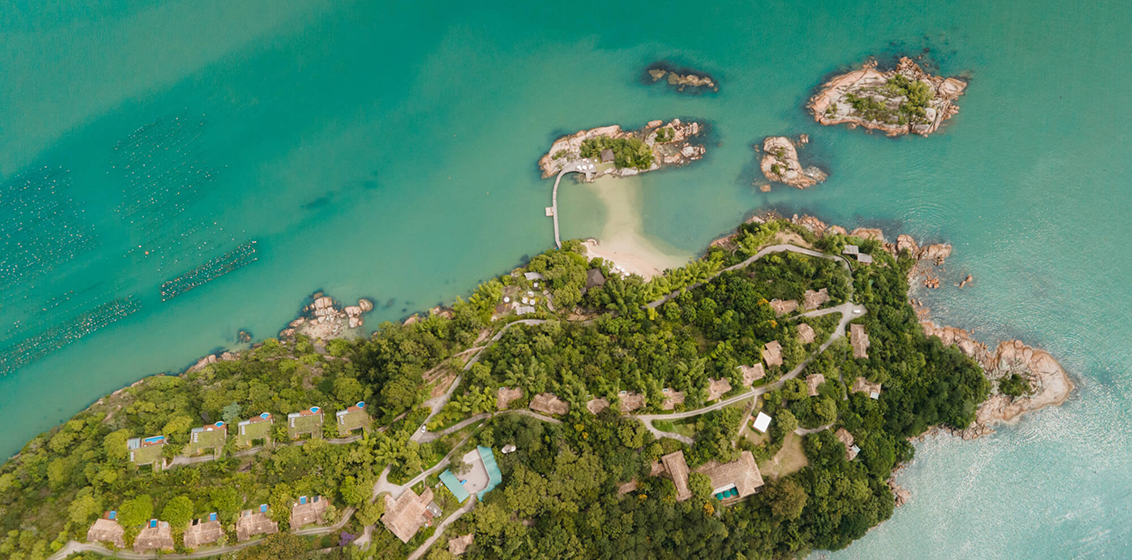
South America is undergoing a dramatic rebrand, evolving from backpacker stomping ground into one of the world’s most alluring high-end travel destinations.
In a recent conversation with LATTE, Contours Travel Senior Consultant and Business Development Manager Hanna Shilo explained that this luxury shift is being driven by a new generation of remote, design-driven lodges and nature-based experiences that are reshaping traveller expectations.
“South America was once seen as a real backpacking destination, and now it’s really not that anymore,” Shilo said, reflecting on the region’s transformation. While popular sites like Iguazu Falls or Rio de Janeiro once dominated itineraries, today’s luxury travellers are venturing much further afield.
“The emphasis now is to get out into the rural, beautiful areas and stay somewhere really luxurious, but that is also in line with nature and also works with sustainability,” she said.
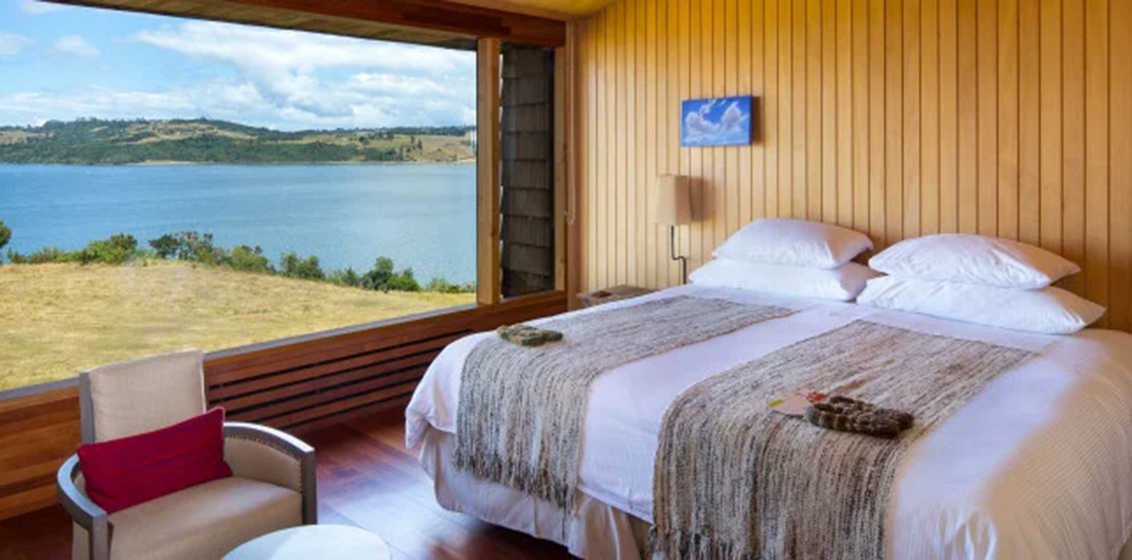
This shift has also changed what “luxury” means in the region. “The new luxury is being alone – not to be standing in line with 1000 other people,” Shilo pointed out.
Instead of extravagant touches or over-the-top service, high-end travellers are gravitating toward comfort, exclusivity and immersive experiences. “People that are used to a high standard, they want to sleep somewhere comfortable but they don’t necessarily need to have a butler,” she said. “They want to have a lovely drink, have a beautiful meal, and then off you go the next day to pick some sort of adventurous activity.”
That appetite is fuelling a boom in new wilderness properties across the continent. From the remote Colca Valley in Peru to the Lakes District and Chiloe Island in Chile, boutique lodges and high-end glamping sites now offer incredible experiences far from the traditional hubs. Many are built from natural materials and designed to blend into the environment. As Shilo pointed out, these resorts aren’t “glitzy hotels” but instead deliver a “sense of place.”
Sustainability is at the core of nearly all of these new offerings. Travellers increasingly expect carbon-offsetting, conservation levies and environmentally responsible infrastructure – and operators are increasingly delivering. Many properties now charge fees dedicated to reducing their carbon footprint, while destination management companies integrate sustainability charges into itineraries.
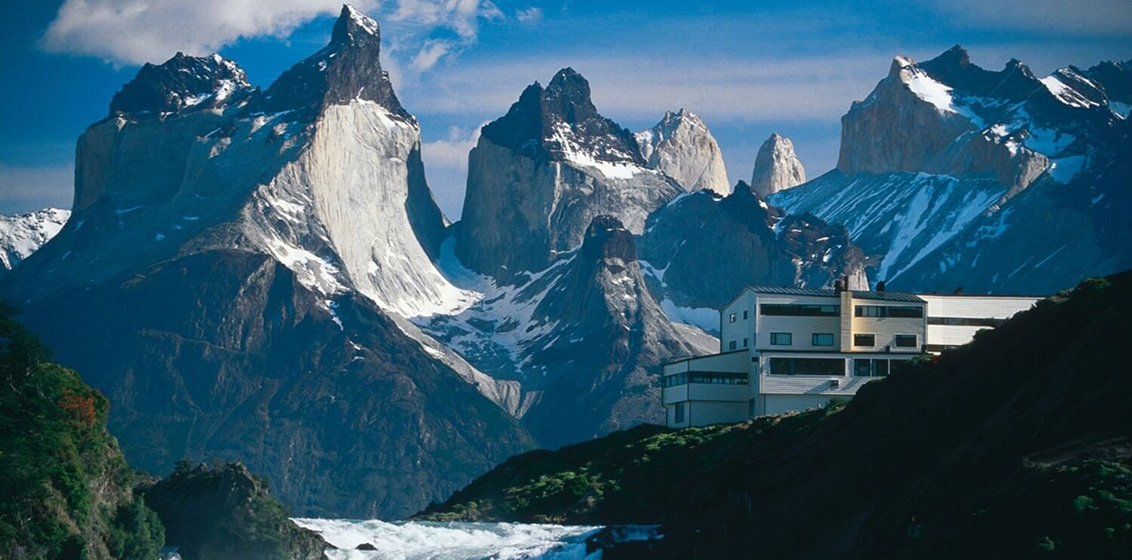
Chile was the first country to champion this model, thanks largely to pioneering brands like Explora, according to Shilo, who cited its small guest numbers and personalised activities as a template now imitated across the continent.
But as perceptions shift, destinations once seen as off-limits are re-entering the luxury conversation. Colombia has experienced one of the most striking turnarounds, according to Shilo. “Colombia was literally a no-go zone for a long time but it’s amazing to see how Medellín has progressed,” she said. Venezuela remains off the table, but Colombia’s Llanos wetlands and Amazon region now offer experiences once associated with its neighbour.
Central America is also enjoying renewed interest, especially among repeat visitors. “Panama has got wonderful hotels,” she said. “There are the same adventure activities that you can do in Costa Rica, but for a much more affordable price.”