

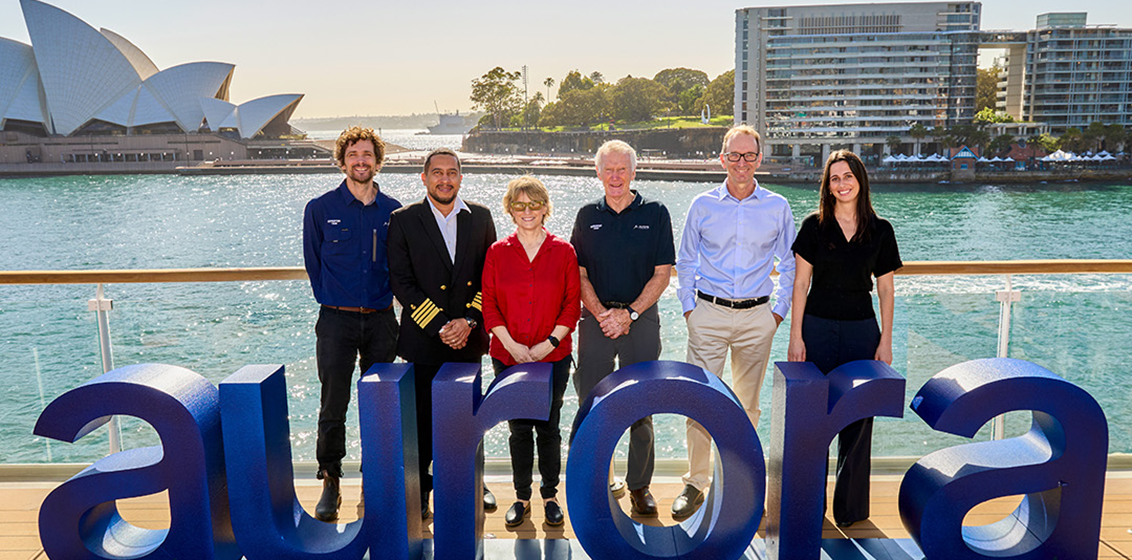
Aurora Expeditions is entering a period of strategic growth, expanding its reach in the Northern Hemisphere while remaining committed to its foundations of environmental stewardship and authentic polar experiences.
Speaking at a media briefing aboard its newest vessel Douglas Mawson on Friday, CEO Michael Heath shared that Aurora is increasingly looking beyond its traditional Australia-New Zealand base.
“At the moment, we’ve transitioned from once upon a time, 80% of our passengers came from this part of the world, but now 60% of our passengers come from the northern hemisphere – 40% from North America,” he said. “This region is still really important for us, but certainly North America is the biggest source.”
The company’s Australian heritage, long a major selling point in the its home market, is also proving to be a key differentiator while competing with established operators overseas.
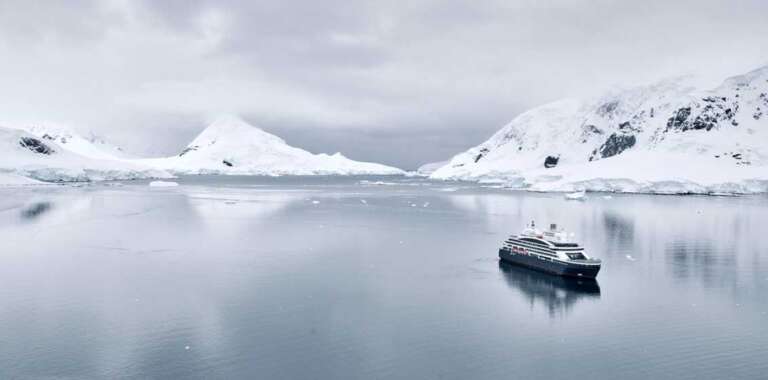
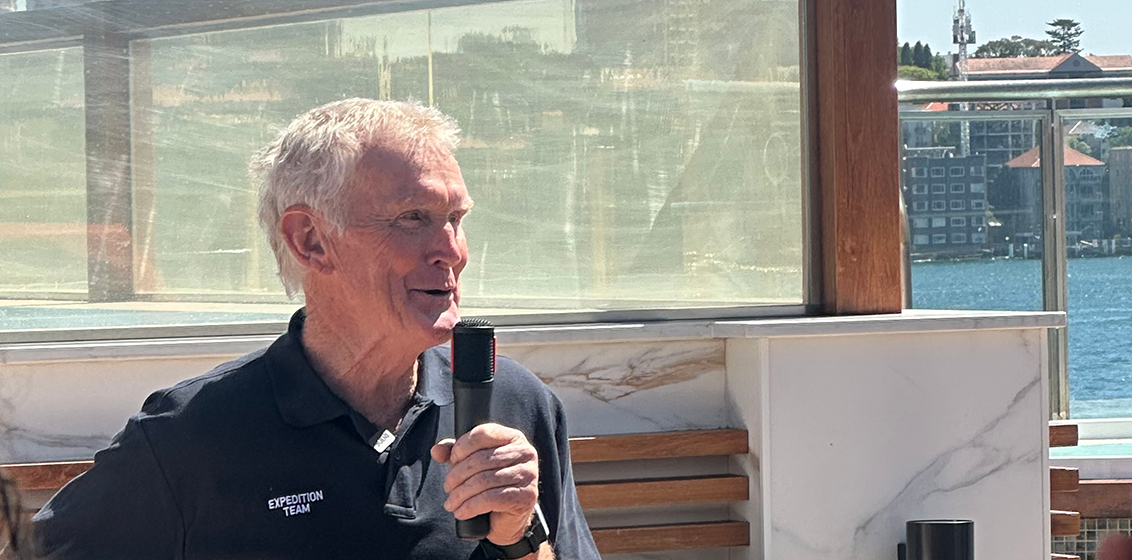
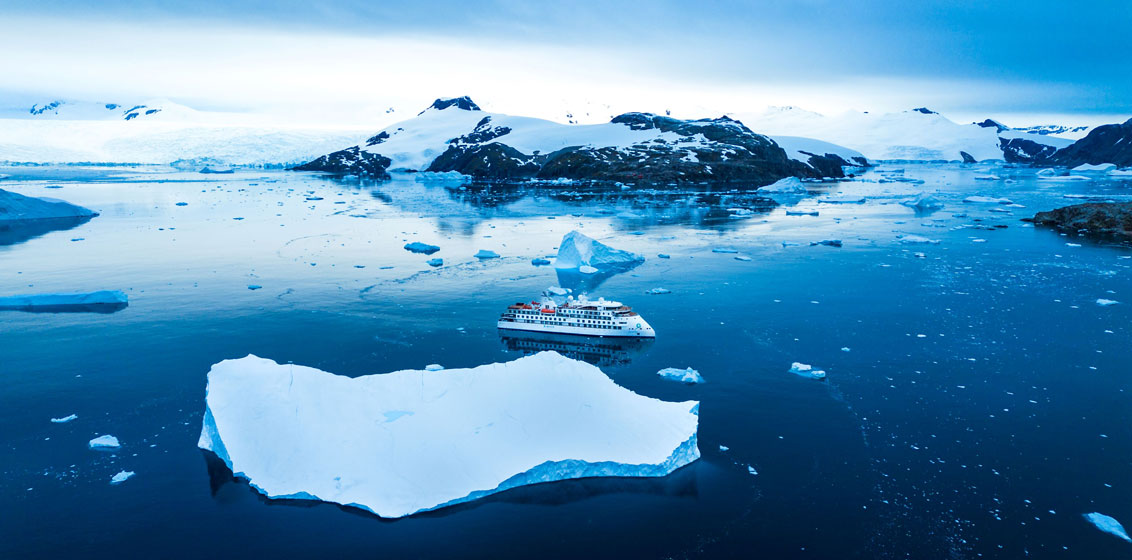
Meanwhile, this season will see Aurora sail its first East Antarctic itinerary in 15 years. The voyage aboard Douglas Mawson, represents a long-awaited return to the region for the company’s Co-Founder Greg Mortimer, who remains heavily involved with the business despite selling it in 2008. “For me, Antarctica below Australia and New Zealand is the real deal, and it’s so vastly different from the Antarctic Peninsula in every way,” he said. “It’s bigger, bolder and brassier.”
Such growth, however, comes with operational and regulatory challenges – particularly as the global travel industry faces rising scrutiny over its environmental impact. “We operate with a permit from the Australian Government on the basis that our impacts are less than minor or transitory,” he explained.
“If our industry gets to the point that tourism is beyond minor and transitory, the Antarctic Treaty System will enforce a comprehensive environmental evaluation of the entire industry. That’s a big deal.”
However, for Aurora, these restrictions are “a positive problem”, with Expedition Leader Daniel Stavert noting that tighter environmental guidelines encourage better stewardship. “There are increasing amounts of care being put into the local environment so we’re very happy with those problems.”
This stance aligns with the operator’s focus not just on destinations, but on shaping the mindset of its passengers. “We’re talking about thousands of people in a year who can have their mindset changed by these experiences, gain an understanding of their own impact on the world. That’s extraordinarily powerful potential,” Stavert said. These experiences, often described as a “moment of magic” when guests fully realise the wonder of the polar environment, remain central to Aurora’s philosophy.
Also challenging is the act of balancing rapid growth with continued authenticity, with Heath highlighting the ongoing involvement of Mortimer and many of his original team as an intense advantage. “We’re very fortunate as a company that we still have the founders involved, and so that’s a really good anchor for us,” he said.
Over the last four years, the company has surged from 50 in its office to 100 while the number of expedition team members has also spiked from 100 to 250. This growth may make it harder to to remain true to those founding principles, but the solution to that is simply to “work harder”, according to Heath.
He revealed that he regularly checks in with Mortimer to ensure new developments within the company remain true to those founding principles – an approach also adopted by newly appointed Chief Marketing officer Katie Malone. “When I first started… I asked myself, ‘What would Greg say?’” she shared. “And that’s our guide, to remain authentic.”