
Looking forward to next year, Aman is set to welcome new additions across its global portfolio, including the imminent arrival of its sanctuary on Mexico’s Eastern Cape, a new villa in Utah’s desert and more.
Here’s what you can expect:
Amanvari, Mexico
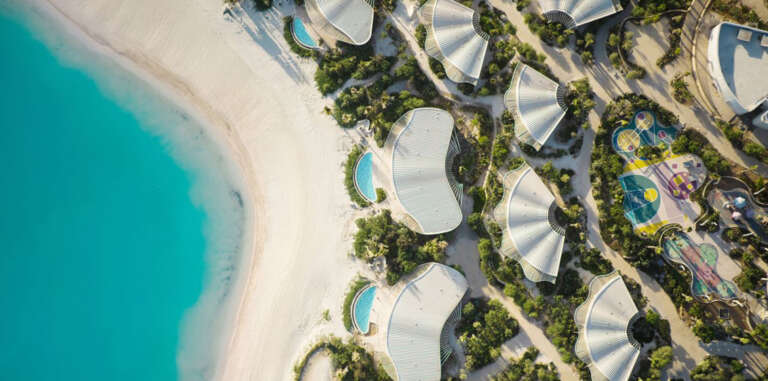
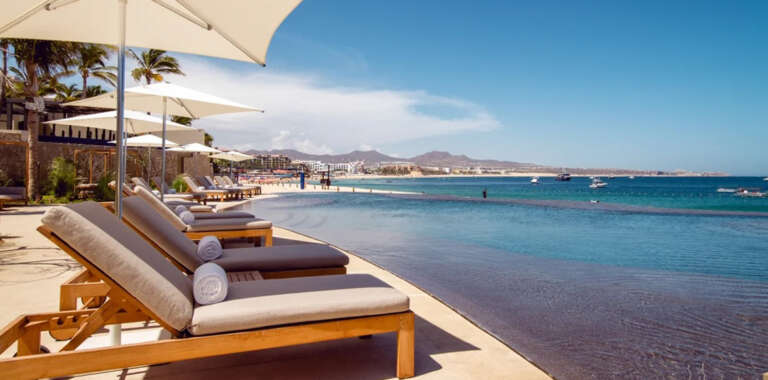
The highly anticipated Amanvari is set to open on the East Cape of Baja California, Mexico, in spring 2026. Marking the company’s debut in the country, the 18-casita retreat and its collection of branded residences celebrate its landscape at the meeting point of beachfront, desert and estuary.
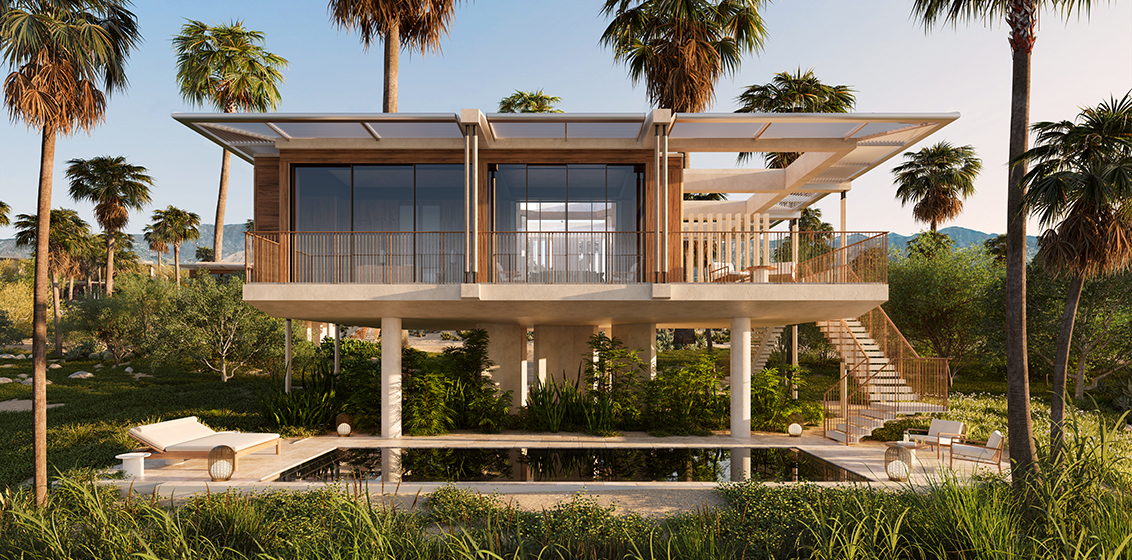
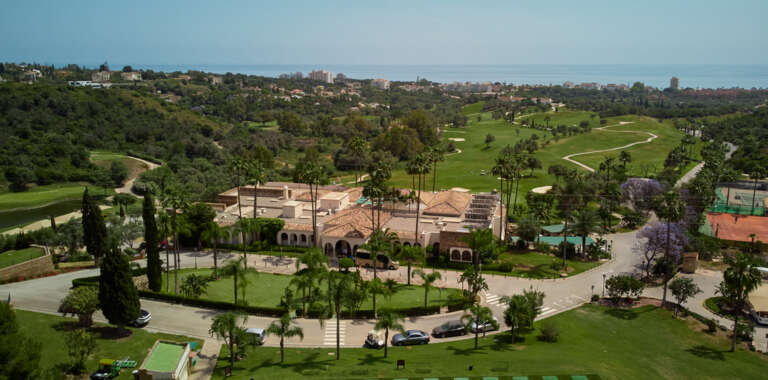
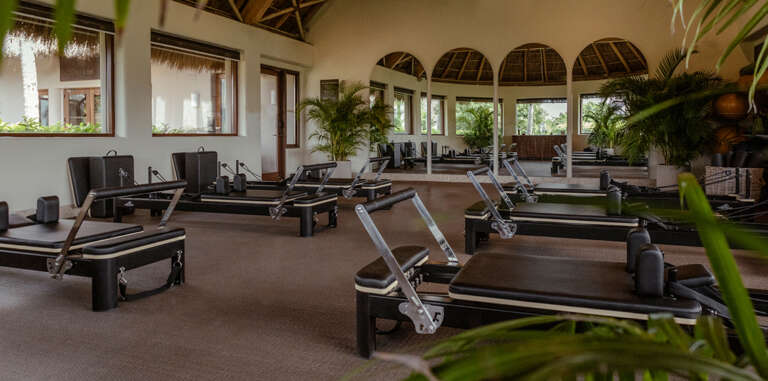
Elevated to command sweeping views, Amanvari’s casitas look out to the Sea of Cortéz and the Sierra de la Laguna Mountains. Aman Residences follow suit, positioned on the sand with sea panoramas or overlooking the neighboring Robert Trent Jones II-designed golf course. Guests can expect signature and localized dining venues and an Aman Spa with a temazcal, private Spa Houses and an open-air Yoga Pavilion.
Forming part of the Costa Palmas community—a 1,500-acre private estate—Amanvari will also offer guests access to local organic farms, orchards, a yacht club and a deep-water marina, as well as opportunities for snorkeling, diving, hiking and sailing.
Amangiri, United States
Welcoming guests from February, Amangiri’s first Six-Bedroom Villa “ushers in a new era” for the Utah retreat. It will be the first of 12 new private Aman-branded residences.
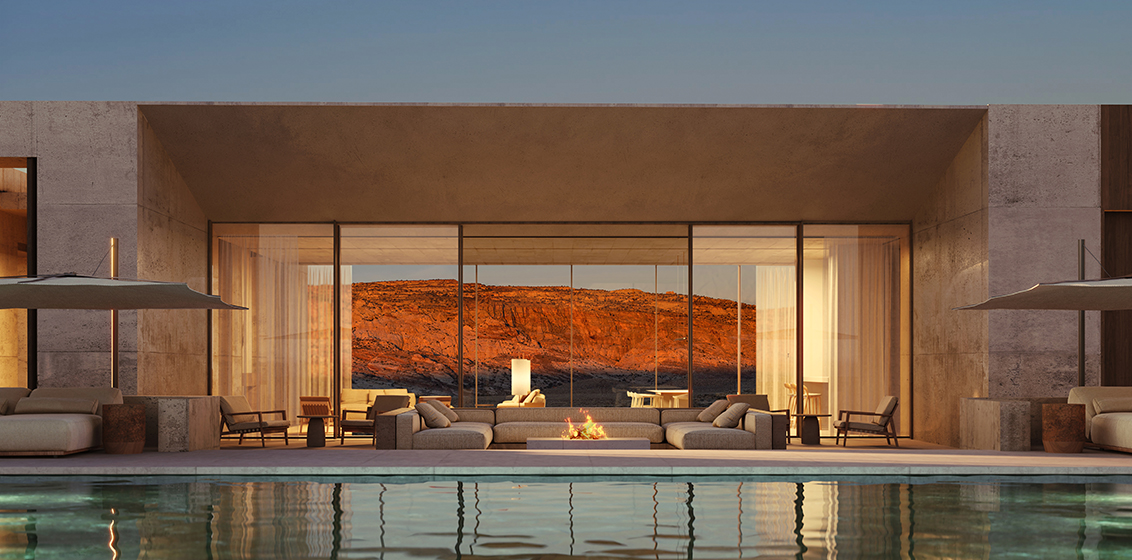
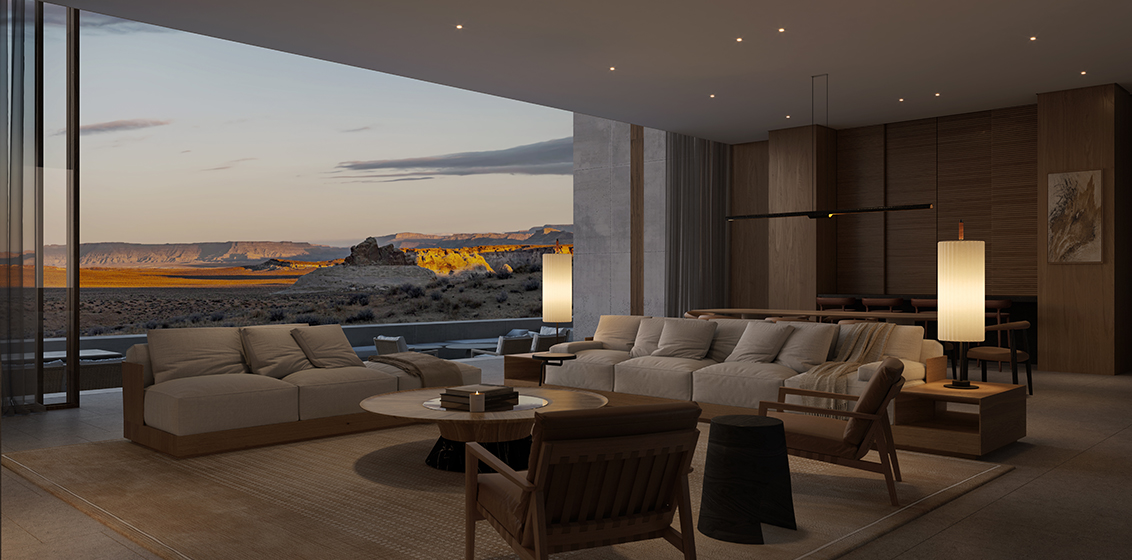
Designed by Marwan Al-Sayed, Amangiri’s visionary architect, the 12,000-square-foot residence is set within nine acres of untouched desert. Glass walls will frame desert vistas and open-plan living spaces will flow into shaded loggias, an al fresco dining area and a central, 118-foot swimming pool. The villa’s six en-suite bedrooms, all with king-sized beds, afford ample privacy, while the primary suite benefits from its own courtyard and plunge pool.
As well as the range of facilities of the villa, which include a private fitness room and spa with steam room and sauna, guests will also benefit from accessing the services of a personal chef and villa host, on hand to tend to every need.
Aman-i-Khás, India
Aman-i-Khás, the intimate tented camp on the threshold of Ranthambore National Park in Rajasthan, will emerge renewed in January with the addition of three Grand Tented Pool Pavilions and one Tented Pool Pavilion, bringing the camp’s total to 14 tents.
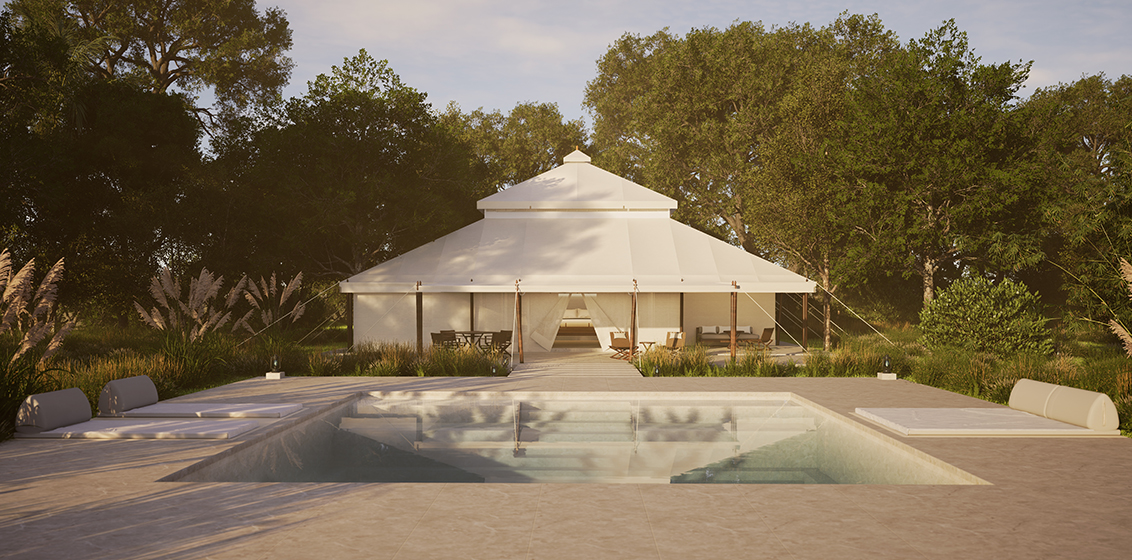
Offering exploration of the park’s forts, villages and wildlife—including the Bengal tiger—the new Grand Tented Pool Pavilions will become the camp’s largest at 2,755 square feet. They are complete with temperature-controlled outdoor pools, private sundecks and al fresco dining areas outside, while inside, guests will find a king-sized bedroom, sunken living and dining areas and a spa-style bathroom.
In addition, the new Tented Pool Pavilion provides all the elegant amenities of Aman-i-Khás’ Tented Pavilions, with the addition of a heated plunge pool and sun deck. Guests can enjoy full-board dining, daily yoga sessions and complimentary laundry, along with access to the Dining Tent, Lounge Tent and Spa Tent.
Aman Kyoto, Japan
New for 2026, Aman Kyoto will unveil Tea House Senkutsu—a serene new space within the resort’s secret forest garden. Crafted in the traditional sukiya style, Tea House Senkutsu showcases the finest artistry of Japanese tea house architecture, offering two distinct spaces for guests to experience the sacred ritual of chanoyu (the Japanese “Way of Tea”).
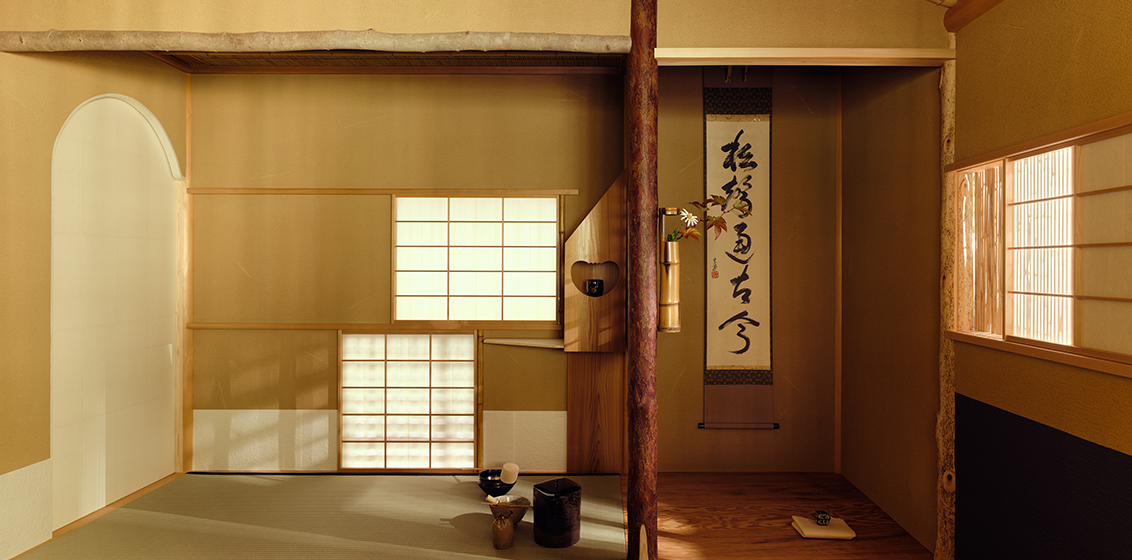
Designed by SEN ART STUDIO, specialists in traditional sukiya architecture dating back to the 16th century, the building exemplifies the refined traditions of Urasenke, one of Japan’s most influential tea ceremony schools founded in the 1700s. To bring the design to life, Aman Kyoto collaborated with Nakamura Sotoji Komuten, master craftsmen renowned for their expertise in traditional Japanese wooden architecture.
The structure comprises two tea rooms: the koma (small room), used for highly traditional chanoyu ceremonies and accessible through a low nijiriguchi entrance symbolizing humility and respect; and a ryu-rei area (chair-seated style), serving as a versatile venue for cultural activities such as seasonal wagashi (Japanese sweets) making, calligraphy, Ikebana (flower arranging), and art classes with local painters.