

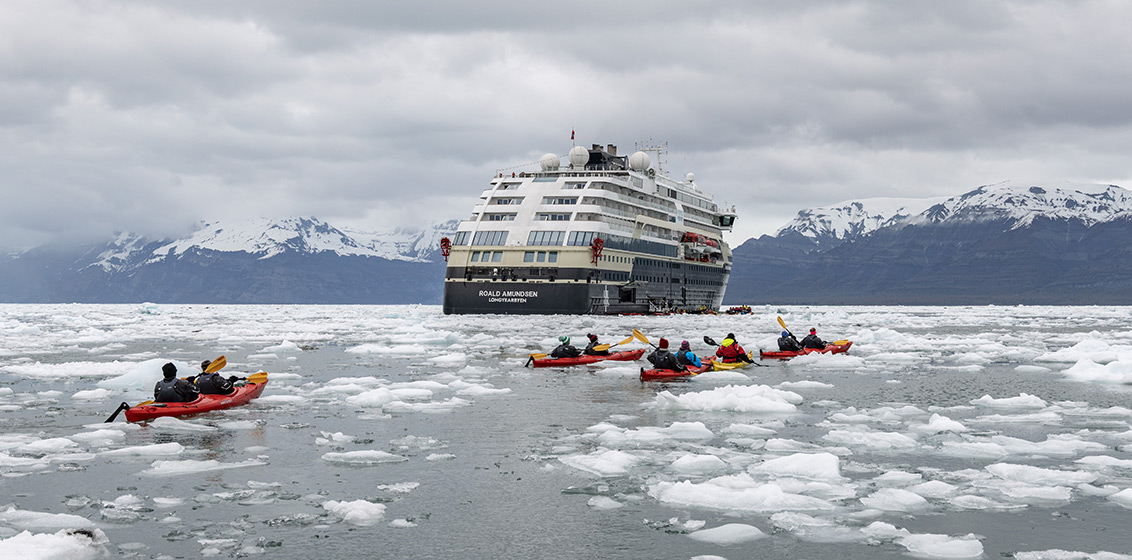
As global research budgets shrink, HX Expeditions is turning adventure tourism into a lifeline for science, transforming its fleet of polar vessels into floating research hubs.
The expedition cruise line’s unconventional approach to environmental responsibility provides scientists with rare access to the world’s most remote regions while engaging travellers directly in scientific discovery.
The initiative comes at a critical time. “Many governments are cutting funding for research and support to science,” HX’s Chief Scientist Dr Verena Meraldi told a media event in Sydney last week. “We have a huge responsibility to step up. It’s our planet—we need to look after it.” Getting to the polar regions, they added, “is incredibly difficult” and “incredibly expensive,” so HX’s willingness to provide transport and infrastructure has proven invaluable.

The company’s mission goes beyond supporting professional researchers, with HX actively involving guests in citizen science projects, transforming travellers into contributors to real environmental monitoring.
Through initiatives like Happy Whale, guests photograph whales during expeditions, upload the images to a shared platform, and later receive updates when the same whale is spotted once again. Other activities include plankton sampling, microscopic analysis of bird feathers, and environmental impact studies—all conducted in the ship’s onboard Science Centre.
“We are really trying to wake up the curious child in all of us,” Meraldi said. “Once you have managed to get people’s attention, they want to know more, to involve themselves more.”
Education has become central to the HX philosophy. In partnership with the University of Tasmania (UTAS), the company last year launched a free Antarctic learning course, taken by over 2,300 travellers.
“Ninety-eight percent of people that had done the course said they felt more aware of their responsibilities after going to Antarctica,” Meraldi reported. Following that success, HX has announced plans to expand its curriculum to include Arctic destinations such as Greenland, Svalbard, and Alaska.
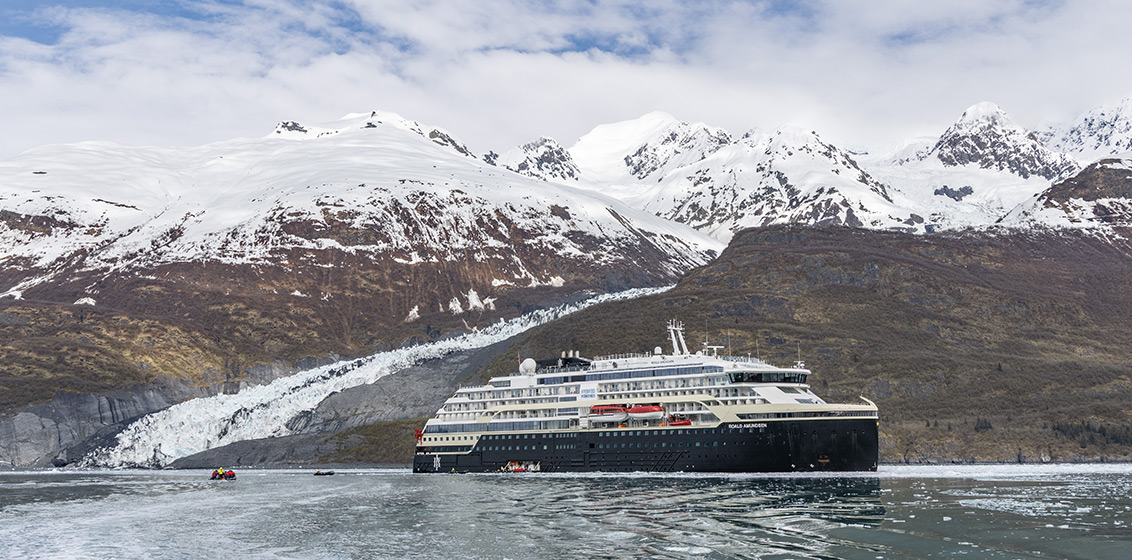
Since its debut, HX’s partnership with UTAS has evolved into a model of collaboration between tourism and research. In 2024 alone, HX hosted “over 80 researchers and more than 20 research projects.” The studies span a wide range of disciplines – from marine biology and spatial science to creative arts and environmental communication – making HX’s ships vital platforms for data collection and education.
For in Meraldi’s view, sustainability isn’t an add-on – it’s an obligation. “Success isn’t just about a balance sheet,” she stressed. “It’s really about how we change behaviour, how we engage people in the destination, and what they do afterwards.
“We do not protect what we don’t know, what we don’t understand,” one scientist said. “By helping people understand, we change how they live.”