


As the cruise industry welcomes a growing number of high-end entrants, Windstar Cruises is confident it can lead in its field by leaning into the spirit of slow travel.
In a recent conversation with LATTE, Managing Director Global Commercial Helen Beck explained that the luxury yacht operator has carved out its own niche amid a cruise market that is spectacularly rebounding post-pandemic.
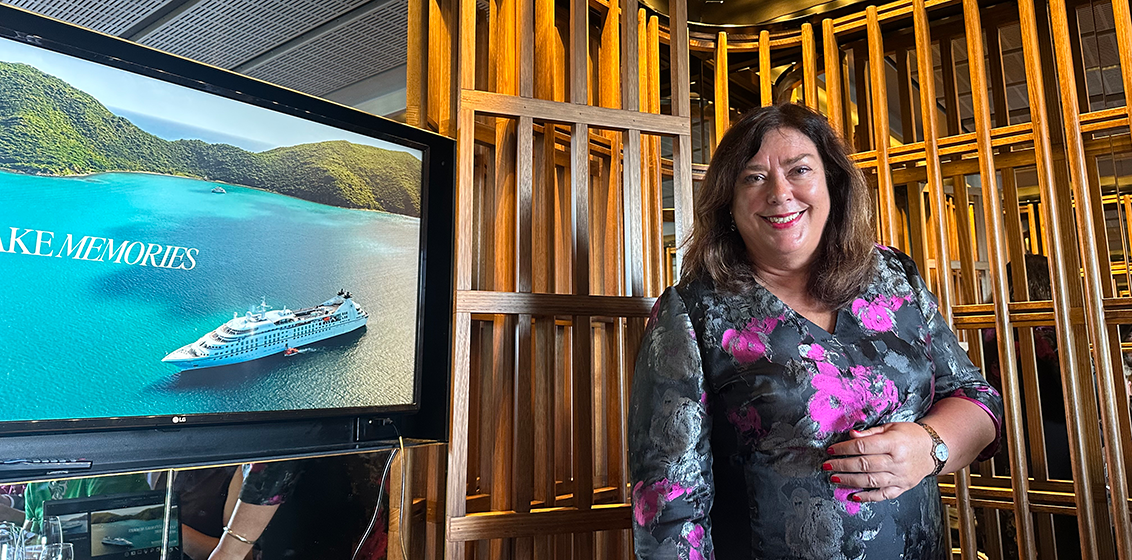
“We actually pootle,” Beck explained, using the phrase to describe Windstar’s unhurried, port-intensive itineraries. “It’s slow travel. There are real similarities in how we craft our itineraries compared to river cruises – little-known places mixed in with well-known ones,” they added.
It’s no coincidence then that many of Windstar’s recent key appointments, such as Shelley Martin in Australia and Augustus Lonsdale in the UK, hail from river cruise backgrounds.
“There’s an amazing synergy between river and what we do,” Beck added. It’s a style of travel that resonates particularly well in markets like Australia, where travellers tend to embark on longer journeys.
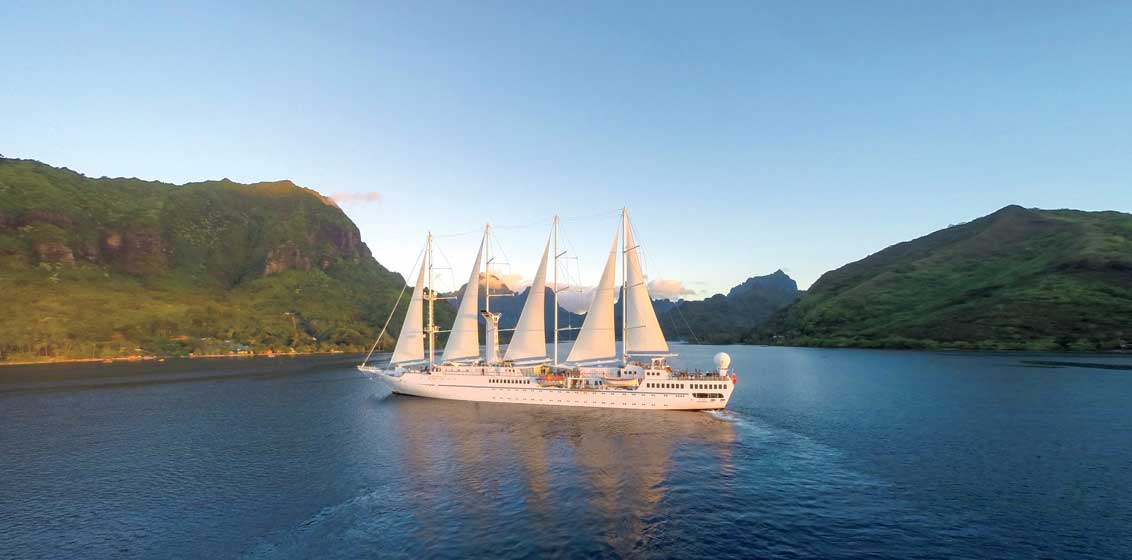
These values are reinforced by the brand’s unique ship proposition. Unlike most cruise lines, Windstar operates two distinct types of vessels: sailing yachts and motor yachts. While at first glance this could confuse the brand message, the reality is quite the opposite, according to Beck.
“We don’t market them differently,” she stressed. “Guests choose based on itinerary or emotional connection – maybe they know the captain, the hotel director, or they just love that ship.”
In her view, both ship types reflect Windstar’s DNA: intimate in size, offering personalised service with a deep emotional pull. “The small-ship advantage really lies in the intimacy and the ability to access ports and destinations that larger ships simply can’t reach,” she pointed out.

As for the growing number of luxury cruise competitors, with a recent notable influx from the world of hospitality, Beck sees opportunity, not threat. “New entrants are great because they drive awareness,” she said.
With cruise still accounting for just 2% of global travel, “there’s room for all of us.” In fact, brands like Ritz-Carlton and Four Seasons are “bringing new-to-cruise guests into the industry” – guests who may eventually find their way to Windstar’s quieter, more established offering.

Already Beck is seeing a shift in demographic among the Windstar clientele with “younger, more diverse” travellers coming through. However, she is reluctant to segment by age-group.
“I’m actually loathe to segment customers simply by age because it’s more about mindset and lifestyle than a number on a birth certificate,” she said.
“People across different age groups can share similar values, desires, and expectations when it comes to yachting experiences. It’s far more effective to understand the mindset of your customers to create meaningful, tailored experiences.”